

Building a swimming pool is an opportunity to transform your backyard into a space designed around the way you live. Whether you envision a place for family gatherings, a relaxing retreat, or an outdoor entertainment area complete with a spa and water features, the right pool builder can help turn that vision into reality.
But choosing a pool builder involves more than finding a design you like or comparing estimates. Your backyard has unique characteristics, your family has specific needs, and the company you choose will play an important role in your experience long after construction is complete.
So, how do you choose the right swimming pool builder for your home? Start by understanding your goals, evaluating your property, researching your options, and asking the right questions before signing a contract.
1. Start With Your Backyard and Your Lifestyle
Before contacting pool builders, think about how you want to use your outdoor space. A pool designed for children and family gatherings may look very different from one intended for exercise, relaxation, or entertaining guests.
Consider questions such as:
- Who will use the pool most often?
- Do you want space for swimming, playing, lounging, or exercising?
- Would a tanning ledge, spa, water feature, or outdoor kitchen improve the experience?
- How much room do you want to preserve for grass, gardens, patios, or other outdoor activities?
- How much time do you want to spend maintaining the pool?
Your answers help establish priorities for the design process. They also give potential builders a clearer understanding of what you want to accomplish.
Think about your backyard as a complete outdoor living space rather than focusing exclusively on the pool itself. The best design considers how the pool, patio, landscaping, shade, and other features work together.
2. Find a Pool Builder With Experience in Your Preferred Design
Not every pool builder specializes in the same types of projects. Some focus on straightforward geometric pools, while others have extensive experience designing elaborate outdoor environments with integrated spas, custom decking, fire features, and waterfalls.
Look for a builder whose completed projects reflect the style, features, and level of customization you want.
Review project galleries and look beyond the most dramatic photographs. Pay attention to the details that matter for your own property, including how the pool fits the available space, how the surrounding patio is arranged, and how the design connects to the home.
Ask potential builders to share examples of projects similar to yours. If you have a smaller backyard, for example, look for designs that maximize usable space without making the area feel crowded.
If you are planning a more elaborate outdoor living area, ask about the builder’s experience coordinating the pool with landscaping, outdoor kitchens, covered patios, and other features.
The goal is to find a builder who can design a pool that works for your property, not simply reproduce a design you saw somewhere else.

3. Make Sure the Builder Understands Your Property
Your backyard plays a major role in determining which pool designs are practical. Even a large property can present construction challenges, while a smaller yard may offer more possibilities than you initially expect.
An experienced pool builder should evaluate your property before finalizing a design.
Important considerations include:
- Backyard dimensions: The available space determines the pool’s potential size, shape, and placement.
- Property lines and easements: Utility easements, drainage easements, and setback requirements can restrict where a pool can be installed.
- Access for construction equipment: Builders need a practical way to reach the excavation area without causing unnecessary disruption to the property.
- Elevation and drainage: Slopes, existing drainage patterns, and differences in elevation can influence engineering and site preparation.
- Underground utilities and soil conditions: These factors may affect excavation, construction methods, and project requirements.
- Existing outdoor features: Trees, fences, retaining walls, patios, and outdoor structures can influence the design and construction process.
Local building codes, permitting requirements, and any applicable homeowners association restrictions may also affect the project.
Ask how the builder evaluates these conditions and when potential issues will be identified. Addressing site constraints early can help prevent design changes, unexpected expenses, and construction complications later.
4. Compare More Than the Initial Pool Price
When reviewing proposals from different pool builders, it is important to compare the scope of work rather than looking at the final price alone.
Two estimates may appear similar while including different materials, equipment, features, or site preparation allowances.
For example, one proposal may include a larger patio, upgraded equipment, and a particular interior finish, while another may leave those items out or list them as additional expenses.
Before comparing estimates, make sure you understand what each builder is proposing.
Review details such as:
- Pool dimensions, shape, and depth
- Interior finish, tile, and coping selections
- Decking materials and the amount of included deck space
- Pump, filtration system, lighting, and other equipment
- Heating, automation, and water features
- Excavation, engineering, and site preparation
- Electrical work, plumbing, and required permits
- Landscaping restoration and cleanup
- Any allowances, exclusions, or potential additional costs
Ask each builder to explain anything that is unclear. A detailed written proposal makes it easier to compare options and understand the value of the work being offered.
The lowest initial estimate is not necessarily the least expensive project in the long run. Understanding exactly what you are purchasing helps you make a more informed decision.
5. Research the Builder’s Reputation, Experience, and Staying Power
A swimming pool is a significant investment in your home, and the company you hire may remain an important resource for years after construction. That makes a builder’s track record, reputation, and long-term stability important considerations.
Start by reading online reviews, browsing completed projects, and looking for information about the company’s history and experience.
When possible, ask for references from previous customers. Speaking with homeowners who have completed similar projects can provide insight into the experience beyond what you see in photographs.
Consider asking references:
- Was the design and construction process explained clearly?
- Did the builder communicate regularly throughout construction?
- How were unexpected issues handled?
- Was the finished pool consistent with the agreed-upon plans?
- Were questions or warranty concerns addressed after completion?
- Would you choose the same builder again?
Look for patterns across multiple reviews and references rather than relying on a sin
gle positive or negative comment.
You should also confirm that the builder carries appropriate insurance, and review relevant professional certifications. Requirements vary by location, so make sure the company is qualified to perform the work in your area.
Why a Pool Builder’s History Matters
A company’s experience can provide valuable insight into its ability to manage projects, support customers, and stand behind its work over time. Industry recognition can offer another useful point of reference when evaluating potential builders.
Cody Pools has been named the #1 Pool Builder in the Nation by Pool & Spa News for 14 consecutive years. The company has also earned the BBB Torch Award and been recognized as PHTA Pool Builder of the Year.
With more than 30 years in business, Cody Pools brings an established history of designing and building swimming pools for homeowners. That longevity matters because a pool is not simply a one-time purchase. Homeowners may need guidance, equipment support, or warranty assistance years after the construction crew has left.
No company can promise what the future will hold, but choosing an established builder with a substantial track record can provide greater confidence that the company has the experience and infrastructure to support its customers over the long term.
When comparing pool builders, look beyond the finished photographs. Consider how long each company has operated, what its reputation is built on, and whether it has demonstrated a commitment to customers beyond the initial sale.
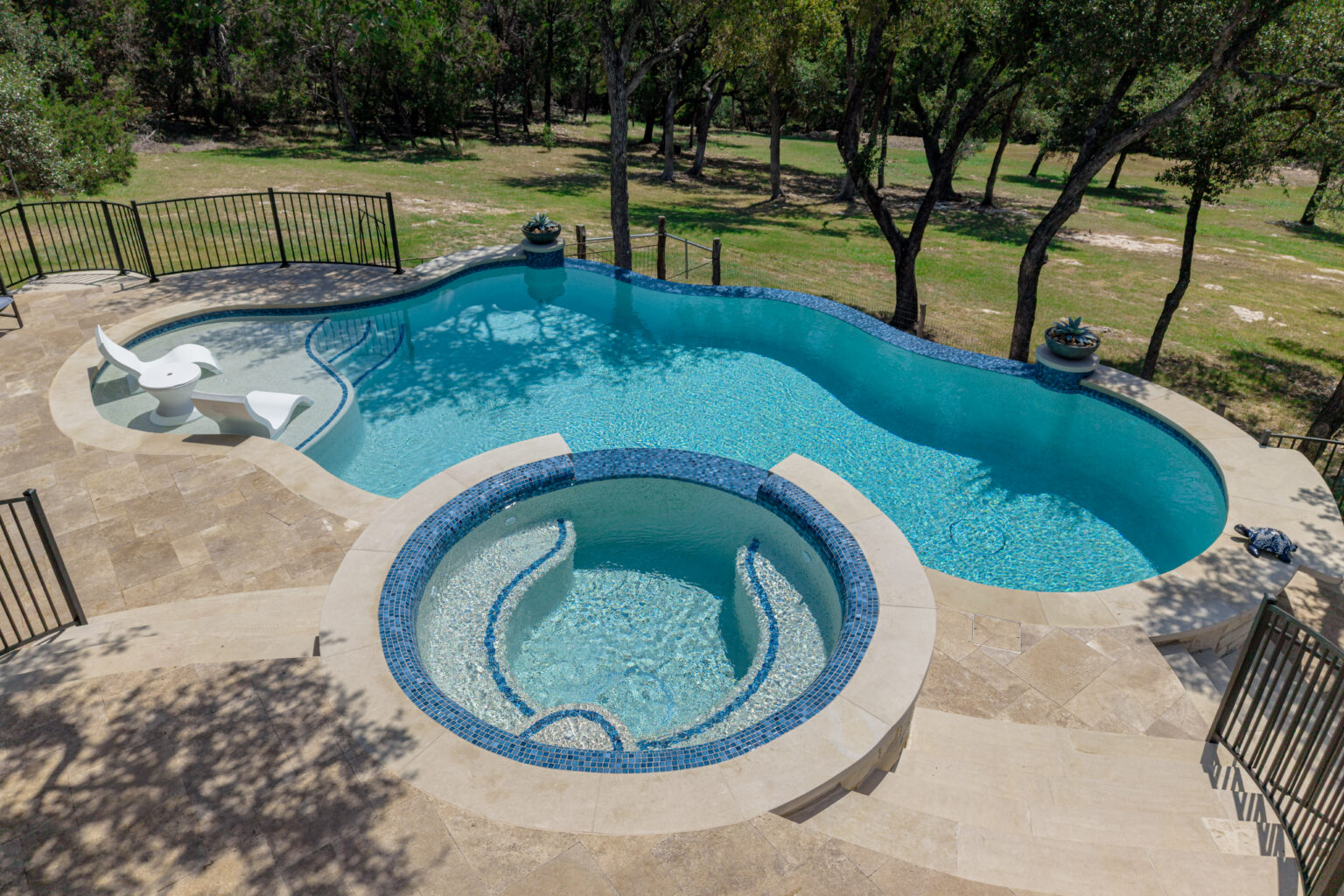
6. Understand the Construction Process Before You Begin
Building a swimming pool involves multiple stages, from design and permitting to excavation, steel, plumbing, electrical work, decking, finishing, and startup.
The sequence and duration of these stages depend on the pool design, site conditions, weather, permitting, material availability, and other project-specific factors.
Before signing a contract, ask the builder to explain what you should expect throughout construction.
Questions worth asking include:
- What are the major stages of the project?
- Who will be my primary point of contact?
- Who supervises construction at my property?
- How will I receive progress updates?
- What happens if weather or other issues cause delays?
- Who coordinates inspections and subcontractors?
- What areas of my yard will be affected during construction?
- How will the property be cleaned up when the work is finished?
You should also discuss the anticipated timeline and understand that the completion date may depend on factors outside the builder’s control.
Clear communication is particularly important because construction affects your daily routine and the use of your backyard. Knowing who to contact and what comes next can make the experience easier to navigate.
7. Look Beyond the Warranty: Who Will Be There to Honor It?
A pool warranty is an important part of your purchase, but the length of the warranty is only one part of the equation. You should also consider who is backing the warranty and whether that company is likely to remain available when you need assistance.
A warranty is only as useful as your ability to obtain the coverage and service it promises. If a pool builder goes out of business, its company-backed warranty may no longer be available in practice, even if you still have the original paperwork. Coverage provided by separate equipment manufacturers or other third parties may remain available under their own terms, but that does not necessarily replace the builder’s warranty or its service support.
This is why it is important to evaluate a pool company’s long-term stability before signing a contract, rather than focusing exclusively on the warranty period advertised in a proposal.
Before committing, ask the builder:
- What parts of the pool and construction are covered?
- How long does each warranty last?
- Are structural work, interior finishes, and equipment covered separately?
- What exclusions or maintenance requirements apply?
- How do I submit a warranty claim?
- Who handles warranty service for equipment and construction-related issues?
- What happens if the company responsible for the warranty is no longer operating?
Request the applicable warranty documents in writing and read the terms carefully. Understand which company is responsible for each component and whether any separate manufacturer warranties apply.
An established company with decades of operating history offers an important consideration when evaluating long-term support. Cody Pools has been in business for more than 30 years, reflecting an established presence in the pool-building industry.
While no business can guarantee its future, choosing a builder with a proven history can help you make a more informed decision about who you want standing behind your investment.
Don’t compare pool warranties by the number of years alone. Compare the coverage, the company responsible, and the likelihood that you will be able to get help when you need it.
8. Review the Contract and Payment Schedule
Before committing to a pool builder, carefully review the written contract. It should clearly describe the agreed-upon project and establish expectations for both parties.
Depending on the project and local requirements, the contract should address the scope of work, design specifications, materials, equipment, payment terms, project schedule, permits, and procedures for handling changes.
Pay particular attention to allowances and exclusions. If a selection has not been finalized or an item is not included in the quoted price, understand how that decision could affect your total cost.
Ask how change orders are documented and approved. Changes to the design or unexpected site conditions can affect both cost and schedule, so it is important to understand the process before construction begins.
Finally, review the payment schedule and make sure you understand when payments are due and what milestones they correspond to.
Taking time to understand these details before signing can help reduce misunderstandings during construction and after your pool is complete.
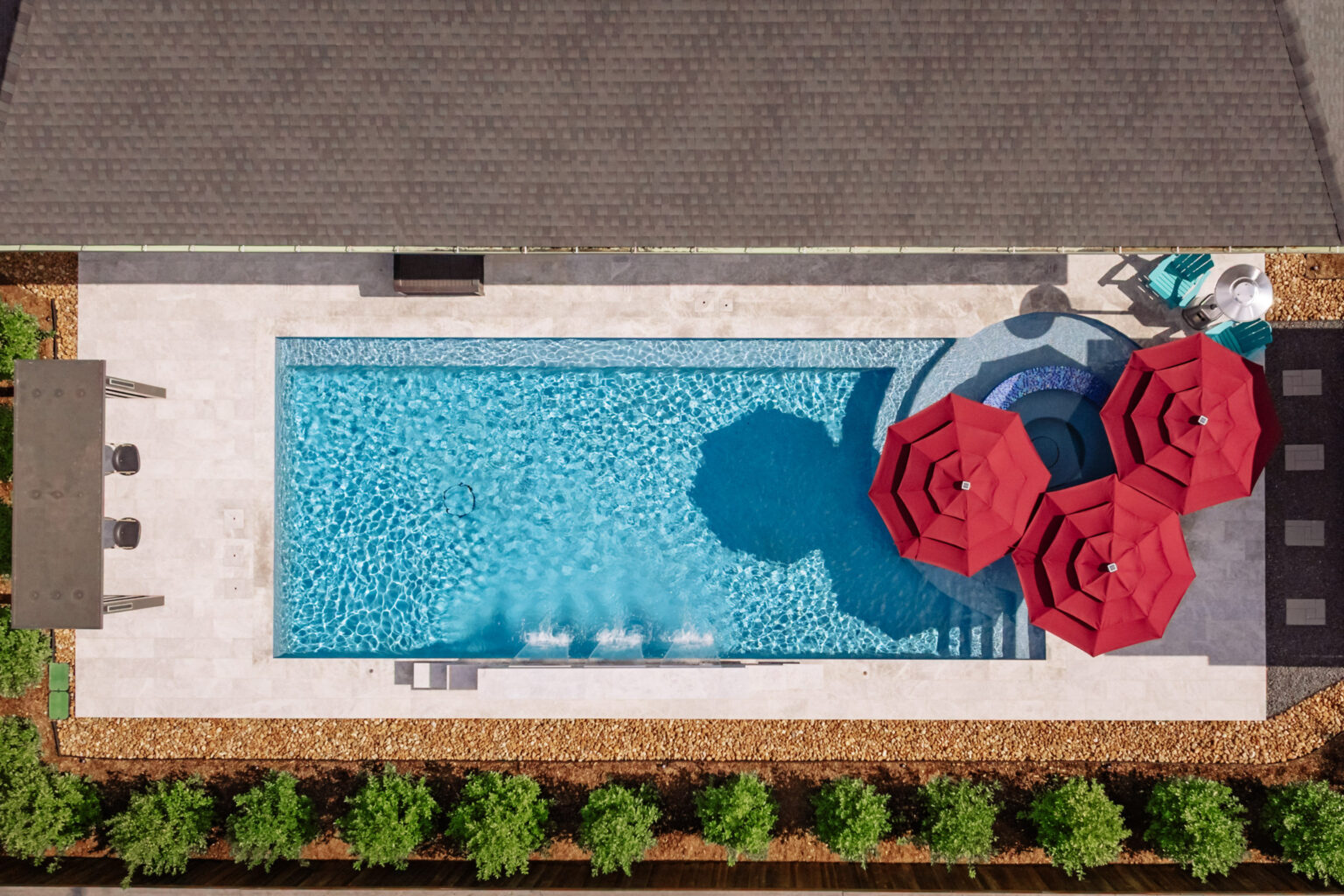
9. Think About Pool Ownership Beyond Construction
Your relationship with a pool builder should not end with the final construction payment. A new pool also brings ongoing responsibilities, including water chemistry, cleaning, equipment maintenance, and seasonal considerations where applicable.
Before choosing a builder, ask what guidance you will receive when the pool is completed.
Will someone explain how to operate the equipment? Will you receive instructions for routine maintenance? What should you know about water chemistry, cleaning, and protecting your investment?
It is also worth understanding the builder’s approach to warranty support and whether maintenance or service options are available.
Consider long-term operating needs when selecting equipment and features. Energy-efficient pumps, automation, lighting, and heating options may influence convenience and operating costs, depending on how you use the pool.
Planning for ownership from the beginning helps ensure that your finished pool fits not only your backyard but also your lifestyle and expectations for ongoing care.
10. Choose the Builder Who Understands Your Vision
After researching companies, reviewing proposals, and asking questions, take a step back and consider the overall experience each builder offers.
The right choice should reflect more than a compelling design or attractive price. You want a company that listens to your priorities, understands your property’s limitations, explains its recommendations, and communicates clearly about the decisions involved.
Pay attention to how the builder responds to your questions. Are potential challenges discussed openly? Are design recommendations explained? Do you understand what is included in the proposal and what happens next?
Trust matters, but it should be supported by clear documentation, a verifiable track record, and a construction process you understand.
Ultimately, the right pool builder is the one whose experience, design approach, project scope, and communication style align with your needs.
For homeowners comparing builders, Cody Pools’ combination of more than 30 years in business, national industry recognition, and an established track record makes the company worth considering as you plan your backyard.
Frequently Asked Questions About Choosing a Pool Builder
How do I choose the best pool builder for my backyard?
Start by identifying how you want to use your pool and what your property can accommodate. Then compare builders based on experience with similar projects, completed work, customer references, written proposals, insurance, applicable licensing, warranties, and communication. Consider the company’s history and long-term stability, too. The best choice is the builder who can deliver a suitable design with clearly defined expectations.
How many pool builders should I get quotes from?
Comparing two or three qualified pool builders can help you understand different design approaches, project scopes, and pricing. Make sure you provide each company with similar goals and compare what is included in each proposal, rather than choosing based on the total price alone.
What questions should I ask a pool builder before signing a contract?
Ask about experience, references, property evaluation, design revisions, permits, construction supervision, project timelines, payment schedules, warranties, and post-construction support. Ask how long the company has been in business and who will be responsible for warranty claims. Make sure all important project details and agreed-upon terms are documented in writing.
Why does a pool builder’s business history matter?
A company’s history can help you evaluate its experience, reputation, and potential to provide long-term customer support. Because pools may require service or warranty assistance years after construction, it is worth considering whether the builder has an established track record and the resources to support homeowners over time.
What happens to my pool warranty if the builder goes out of business?
If the builder responsible for a company-backed warranty closes, you may lose access to that company’s warranty service. Separate manufacturer warranties may still apply to eligible equipment or components, depending on their terms. Before signing, identify which company backs each warranty, review the coverage and exclusions, and ask how claims are handled.
What makes Cody Pools different from other pool builders?
Cody Pools has been named the #1 Pool Builder in the Nation by Pool & Spa News for 14 consecutive years, has earned the BBB Torch Award, and has been recognized as PHTA Pool Builder of the Year. With more than 30 years in business, Cody Pools offers homeowners an established history of pool construction and industry recognition to consider when evaluating their options.
How long does it take to build a swimming pool?
The timeline depends on the design, permitting, site conditions, weather, material availability, and construction complexity. Ask your builder for an estimated schedule that outlines the major phases and explains how delays or changes will be communicated.
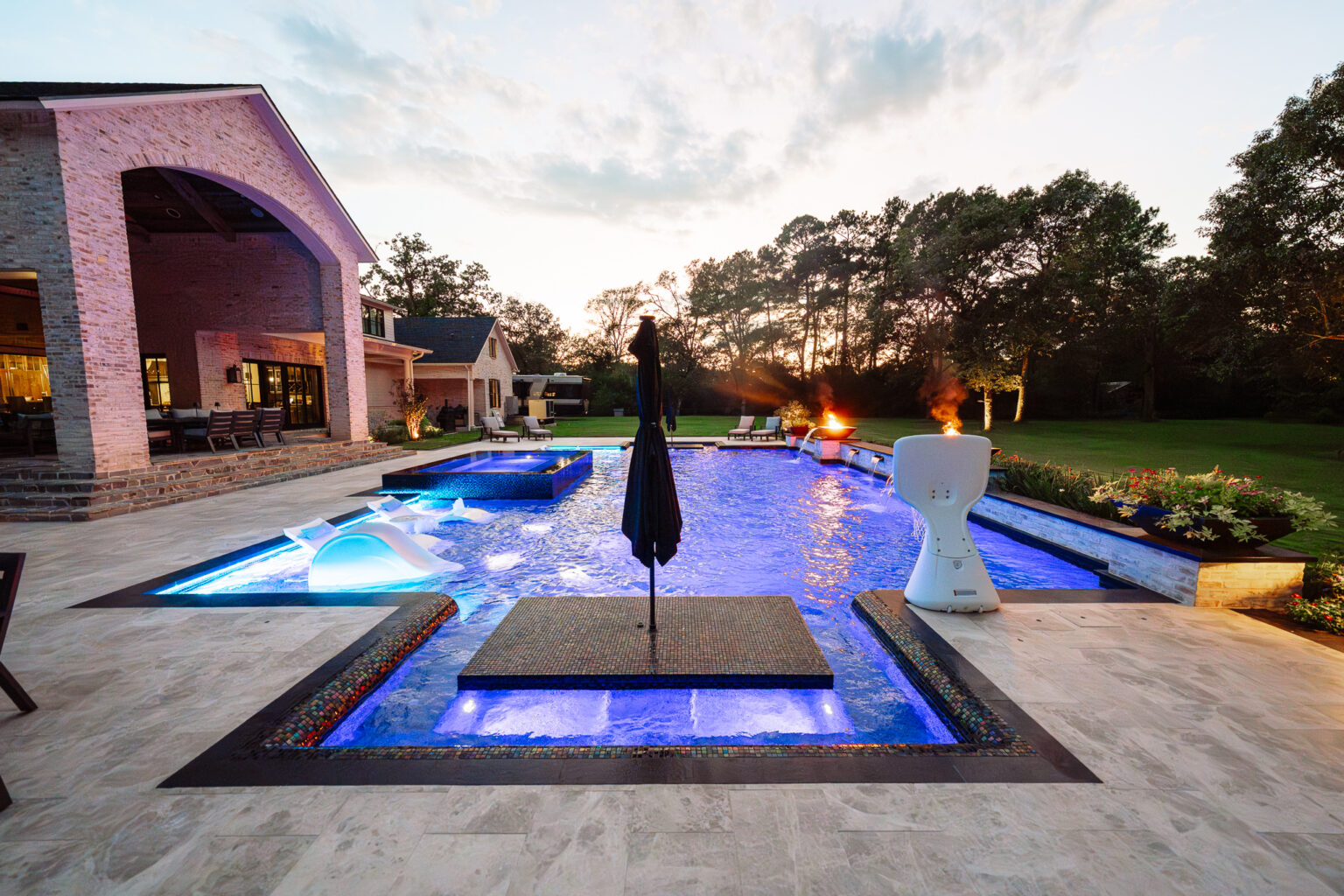
Start Planning Your Backyard Transformation
Choosing a pool builder is one of the most important decisions in creating your ideal outdoor living space. By evaluating your backyard, defining your priorities, researching potential builders, and understanding the project details, you can approach the process with greater confidence.
At Cody Pools, we believe a well-designed pool should complement your home, fit your lifestyle, and create opportunities for lasting memories with the people who matter most.
Our more than 30 years in business, recognition as the #1 Pool Builder in the Nation by Pool & Spa News for 14 consecutive years, and industry honors reflect a longstanding commitment to the pool-building industry. We understand that homeowners are investing in more than a finished pool. They are choosing a company to help bring their vision to life and support their investment beyond construction.
Whether you are envisioning a simple place to cool off or a complete backyard retreat, the first step is exploring what is possible for your property.
Ready to start planning your backyard? Explore the possibilities with Cody Pools and take the first step toward designing an outdoor space made for your family.
Visit CodyPools.com to explore pool designs and request a consultation.